BLOCKED
InstagramMeta platformSince 2022Internet restrictions · Russia · 2026
Instagram. Facebook. BBC. YouTube.
Harder to reach in Russia.
Russia has blocked or throttled major platforms, independent media, communication apps, and VPN services. Horizon VPN gives users a safer encrypted route for privacy, research, work, and everyday access.
2025Russia's internet freedom reached a new low, according to Freedom House.
279News media domains confirmed blocked in OONI-supported research.
469VPN services reported blocked by Roskomnadzor by February 2026.
Timeline of restrictions
How Russia's internet became harder to use freely
The design package frames this as a timeline. We kept that structure, but softened absolute claims for a production page.
2016LinkedIn blocked
A major platform block after data-localization disputes, setting the tone for future restrictions.
2019Sovereign Internet Law
Russia expanded technical control over routing, filtering, and network isolation capabilities.
Mar 2022Facebook and Instagram blocked
Meta platforms became unavailable through many Russian ISPs after the invasion of Ukraine.
2022-24Independent media blocked
International and independent media outlets became harder to reach from Russian networks.
2024-26VPN access targeted
Authorities continued blocking VPN services and circumvention tools that do not follow local restrictions.
Social media blackout
When platforms disappear, work and communication break too.
Restrictions do not only affect entertainment. They affect freelancers, creators, families, students, journalists, and small businesses that rely on social platforms, video calls, cloud tools, and global information.
A VPN is not a promise that every service will always work, but it can provide an encrypted route outside the local network when ordinary access is blocked or throttled.
Production safety note
Online speech and VPN regulation in Russia are sensitive legal areas. This page is informational, not legal advice.
BLOCKED
FacebookMeta platformSince 2022RESTRICTED
X / TwitterSocial networkSince 2022THROTTLED
YouTubeVideo platformSince 2024BLOCKED
DiscordCommunication appSince 2024BLOCKED
LinkedInProfessional networkSince 2016Privacy risk
A VPN protects the route before your ISP can inspect the session.
A local ISP can see connection metadata and may be required to support filtering or monitoring systems. A VPN encrypts traffic between your device and the VPN server, reducing what the local network can read.
It does not make you invisible. Websites, app accounts, browser fingerprints, payment records, cookies, and details you enter can still identify you.
How VPN helps
Horizon VPN turns exposed local traffic into an encrypted tunnel.
Instead of sending every request directly through the local network, Horizon VPN routes traffic through a protected tunnel to a VPN server. This can improve privacy, public Wi-Fi safety, and access reliability.
Access blocked platforms through another route
A VPN can route traffic through servers outside the local network, helping users reach services that are unavailable through their ISP.
Make throttling harder to classify
Encrypted tunnels can make it harder for a local network to identify the exact app or site behind your connection.
Reduce direct IP exposure
Websites generally see the VPN server IP instead of your home, office, or mobile IP address.
Use public Wi-Fi more safely
The connection between your device and the VPN server is encrypted before it crosses a shared network.
Real-world use cases
Everyday access problems a VPN can help with
Instagram stores, creators, and client DMs
Small shops, creators, designers, and freelancers still need Instagram for catalogs, portfolios, client messages, and ad references. When Meta platforms are blocked through a local provider, a VPN can give traffic another route outside that network.
Moscow
Telegram and WhatsApp calls with family
Telegram and WhatsApp are part of daily life for family chats, work groups, communities, and calls. If calls, media, or app access become restricted or unreliable, switching VPN routes can help users test a working path while keeping local traffic encrypted.
St. Petersburg
YouTube, Discord, and learning communities
Students, gamers, developers, and creators use YouTube tutorials, Discord communities, and video platforms for real work and learning. When services are throttled or blocked, a VPN can help route traffic through a less restricted network path.
Yekaterinburg
Independent news and source checking
Researchers, journalists, students, and ordinary readers often need to compare Russian, international, and independent sources. A VPN does not decide what is true, but it can help reach blocked sources and reduce local network visibility.
Novosibirsk
Remote work, cloud tools, and code access
Remote teams rely on GitHub, design tools, CRMs, cloud dashboards, file sharing, and international SaaS products. A VPN can provide a stable encrypted route when corporate tools, APIs, or third-party services become unreliable.
Kazan
Travel Wi-Fi, hotels, airports, and cafes
Shared networks are convenient but not trustworthy. Before logging in to email, payment tools, Telegram, Instagram, or work accounts on public Wi-Fi, a VPN adds encryption between the device and the VPN server.
Sochi
Banking, payments, and account logins
People often sign in to banks, payment services, marketplaces, and work dashboards from networks they do not control. A VPN cannot replace strong passwords or 2FA, but it helps protect the connection on the way out of the local network.
Nizhny Novgorod
Foreign services during travel and relocation
Travelers, students abroad, and people relocating may need stable access to airline accounts, embassy pages, foreign university portals, maps, and booking tools. A VPN gives them a consistent privacy layer when networks and routes change.
Vladivostok
Know the constraints
Three forces shape internet access in Russia
Blocking, monitoring, and VPN restrictions create a changing environment. Horizon VPN is one protection layer, not a guarantee against every legal or technical risk.
SURVEILLANCE
SORMnetwork monitoring framework
A more monitored network environment
Russian ISPs operate under legal and technical monitoring requirements. A VPN cannot make users invisible, but it can encrypt traffic between the device and VPN server.
BLOCKING
279media domains confirmed blocked
A growing wall around information
News, social platforms, communication apps, and research resources can be blocked, throttled, or unreliable depending on region and provider.
VPN LIMITS
469VPN services reported blocked
VPN access itself is targeted
Authorities continue to restrict circumvention tools, so users should expect routes to change and avoid relying on any single server forever.
Horizon VPN helps with all three
Get protectedEncrypt the local connection, route around unreliable paths, and keep one privacy layer active across phones, laptops, tablets, and Android TV.
Connect in seconds. Browse with a safer route.
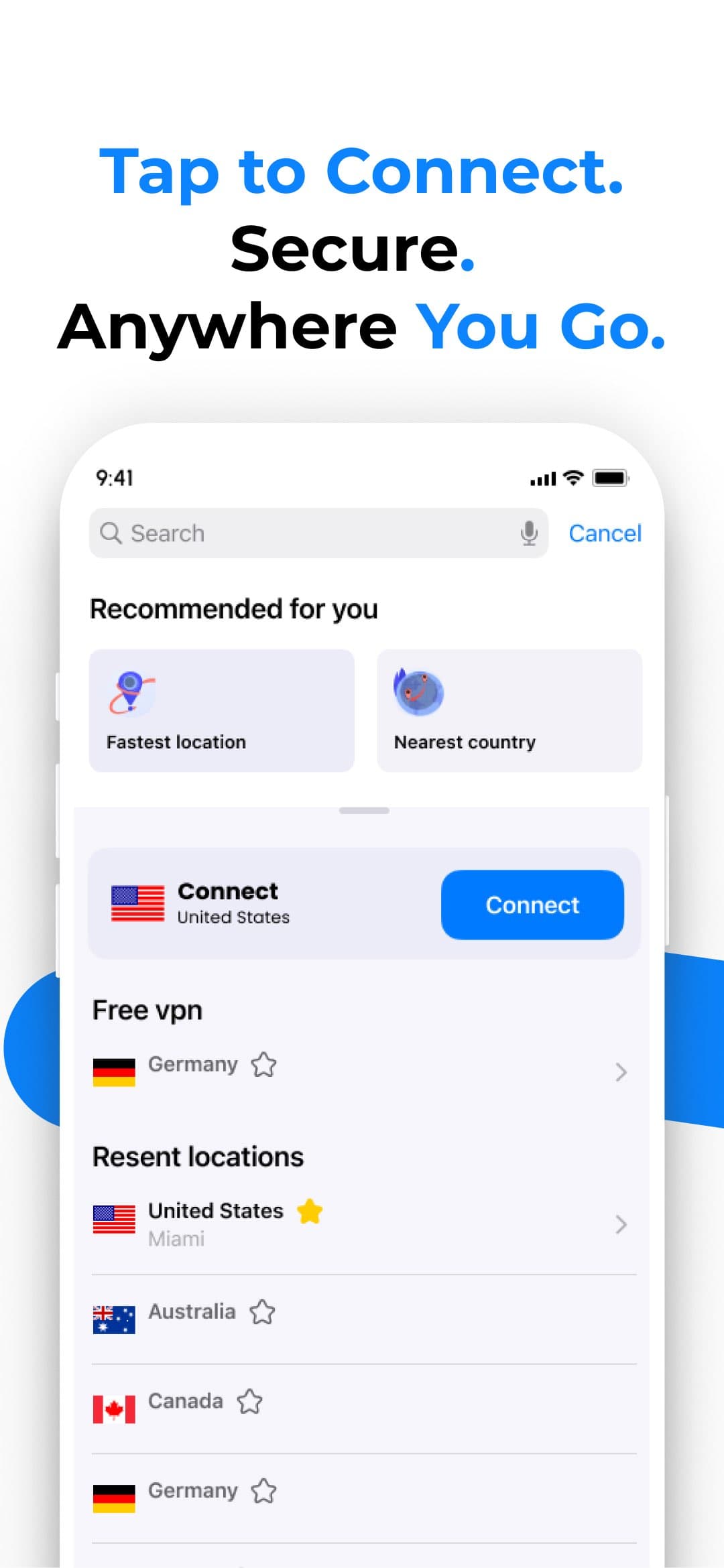
Choose a plan, download Horizon VPN, connect to a global server, and keep the VPN on before using public Wi-Fi, work tools, messaging, or restricted websites.
No activity logsMultiple devices30-day guaranteeFast global servers
Questions about VPN for Russia
Is using a VPN legal in Russia?
This page is informational and is not legal advice. Russia restricts VPN services and online content, and rules can change. Users should follow applicable laws and avoid unlawful activity.
Can Horizon VPN access Instagram, Facebook, or blocked news sites?
A VPN can help route traffic through servers outside the local network, which may make restricted services reachable. Access is not guaranteed because VPN services, protocols, and IP ranges can also be blocked.
Does a VPN make me anonymous?
No. A VPN improves privacy by encrypting the connection and masking your direct IP from websites, but accounts, cookies, browser fingerprints, payments, and information you enter can still identify you.
Will a VPN protect me on public Wi-Fi?
Yes, a VPN encrypts traffic between your device and the VPN server, which is useful on hotel, airport, cafe, coworking, and shared networks.
What if a VPN server is slow or blocked?
Switch server locations and protocols. In restricted networks, the best route can change by provider, region, and time of day.
Should I use a free VPN in Russia?
Be careful. Some free VPNs limit speed, show ads, collect data, or have unclear privacy practices. Choose a provider with transparent policies and reliable infrastructure.